
After the proclamation of results, focus would have to shift from victory to the process.
The 2025 presidential election was not merely a contest between political figures, but a collective national exercise. One that tested the resilience of institutions and the faith of citizens in democracy. With the proclamation of results following the October 12, 2025 vote, it is not any individual who stands as the true victor, but the Republic of Cameroon itself. A democracy still young, still imperfect, yet still advancing.
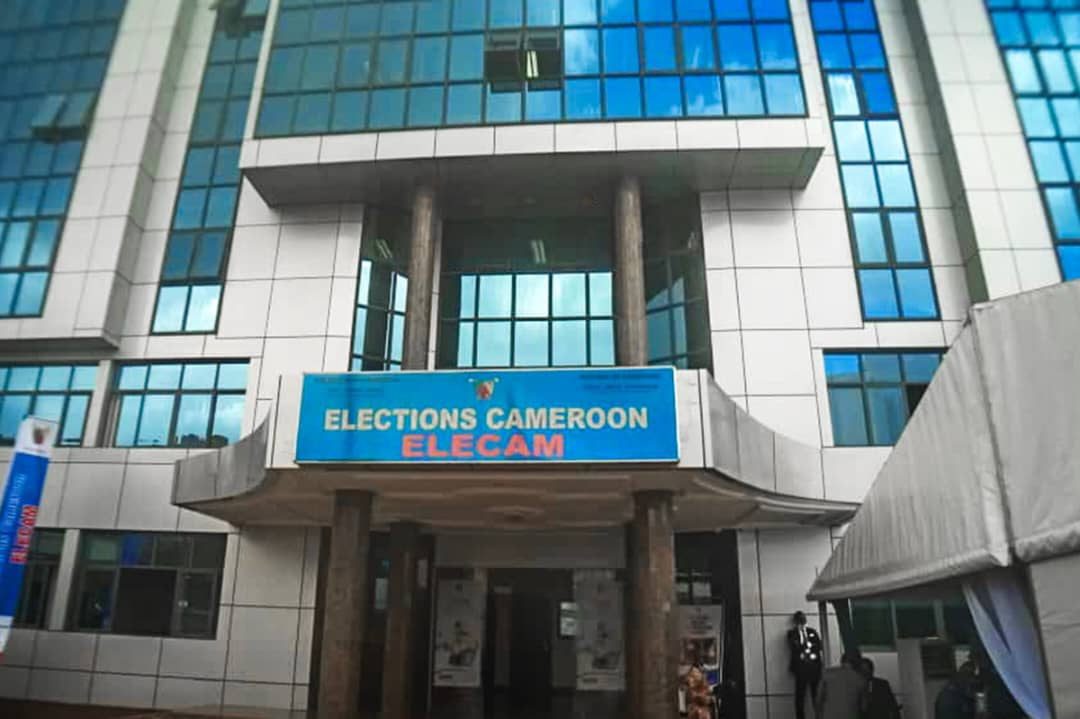
Under Elections Cameroon (ELECAM), the Electoral Code (Law No. 2012/001) defines the presidential poll as being conducted “by universal, equal and secret suffrage.” This foundational principle seeks to guarantee fairness and transparency. It also mandates, in Article 4, that ELECAM shall be an independent body, and in Article 5, that its members shall “neither seek nor receive instructions from any authority.” These provisions embody the spirit of a nation determined to build a credible, self-sustaining electoral system.
From within the opposition came a rare consensus around reform. The UDC’s Tomaino Ndam Njoya called for what she termed a “Republican Assembly.” An inclusive national dialogue bringing together all political forces to rebuild confidence between citizens and the state. She argued that Cameroon needs “a national pact founded on truth, transparency and peace,” and proposed a consensual reform of the Electoral Code, driven by all political and social stakeholders, so that elections “never again become sources of division, but moments of national cohesion.”
The 2025 elections exposed structural weaknesses but also offered a roadmap for improvement. Calls from across the political and civic landscape have highlighted the need for comprehensive reform of the Electoral Code through dialogue and consensus, as well as the transparent and regular updating of voter registers to ensure that all eligible citizens can participate. There is also growing advocacy for better training of ELECAM staff, improved logistics to prevent delays and errors, and stronger mechanisms to guarantee the independence and operational autonomy of the electoral management body. Political leaders and civil society alike have also insisted on protecting civil liberties notably the constitutional right to peaceful protest and strengthening the judiciary to swiftly and fairly adjudicate electoral disputes.
The Constitutional Council’s proclamation of results on October 27 was followed by mixed emotions across the country. In some towns, protests flared, leading to clashes and the loss of lives. Yet amid grief and tension, the process itself endured, demonstrating that even under strain, Cameroon’s institutions remain functional. This resilience is, in itself, a mark of democratic progress proof that despite imperfections, the system is learning, adapting and surviving.
Cameroon’s democracy remains nascent but alive. Each ballot cast, each irregularity denounced, and each reform proposed contributes to the slow, sometimes painful, building of a more transparent system. The 2025 election therefore stands not as the victory of one man or one party, but as a milestone in the nation’s democratic evolution.
In the end, no one has truly won except Cameroon itself. The challenge ahead is to turn this imperfect exercise into the solid foundation of a democracy that future generations will inherit stronger, fairer, and more inclusive.
Jude Viban