
After the 30 November 2025 regional elections, the CPDM now leads all ten regional councils. It opens the door for a smoother, more coordinated implementation of President Paul Biya’s promises for his new mandate.
For the party and the nation, this sweep is more than an electoral win. The country’s decentralisation laws give the regions real power. The Framework Law on Decentralisation (22 July 2004) and Law No. 2004/019 make the region a decentralised authority with its own administrative and financial responsibilities. The texts state clearly that the regions must promote local development, democracy and good governance. With CPDM majorities in place across the national territory, the political groundwork could be set for faster delivery and better follow-up of government policies.
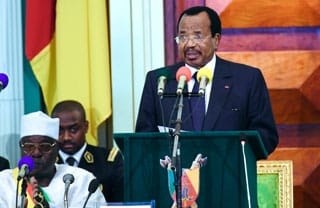
In his inaugural speech, President Biya promised to work tirelessly to be worthy of the trust placed in him. He placed young people, women, infrastructure, good governance, employment, peace and national cohesion at the centre of his programme. Regional councils can now turn these national commitments into practical, everyday realities for citizens.
Their role is clear. Regions can design job creation plans, support young entrepreneurs, and create more opportunities for women-led businesses. They can speed up the construction and repair of local roads, water systems, markets, classrooms and health facilities. By planning projects closer to the population, regions can respond to needs faster and more accurately than central administration alone.
Good governance also begins at the regional level. Councils must manage their budgets transparently, award public contracts fairly, and involve citizens in decision-making. Proper management of transferred funds will help fight waste and build trust. In areas affected by conflict or tension, regional councils can support peace efforts, promote dialogue and help rebuild communities. This aligns with the President’s renewed call for unity and national harmony.
Economically, the regions are well placed to boost local activity. They can develop agriculture, fisheries, tourism, cultural industries and the informal sector by tailoring solutions to each region’s strengths. They can also attract investment through public-private partnerships and targeted incentives for local businesses.
The fact that the CPDM now leads both the central government and all regional councils creates a unique opportunity. It means better coordination, quicker execution of projects and fewer political blockages. Policies can flow from Yaoundé to the grassroots with greater consistency. Ministries and regional councils can jointly plan programmes, reducing delays and avoiding duplication. With combined funding from the State, local revenues and external partners, the regions can become powerful engines of development.
Still, challenges remain. Regional councils will need stronger technical skills in planning, budgeting and procurement. They will require stable financing and improved revenue collection. Transparency will be essential, as will constant communication with the population. Coordination with central government must stay smooth and practical to keep projects moving.
With ten regions now speaking the same political language as the central government, Cameroon stands at an important turning point. The President’s vision is clear, the legal framework for decentralisation exists, and the regions now have both the power and the responsibility to act. What matters most is results — real change that citizens can see, feel and measure.
If the regional councils rise to the task, the promises made at the national level can become visible improvements in daily life. The next mandate offers a chance to show that decentralisation is not theory but action, and that progress can be delivered from the grassroots up.
Jude Viban