
Cameroon has signed headline-grabbing agreements worth FCFA856.8 billion to turn urban waste into energy in Douala and Yaoundé.
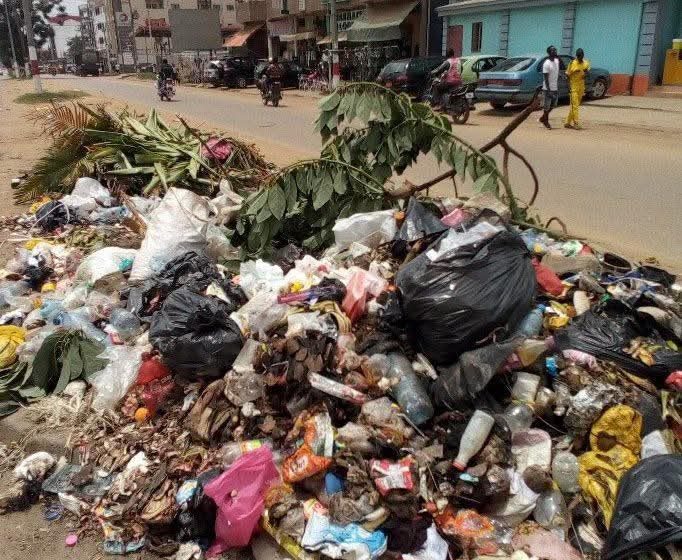
On the ground, however, the situation tells a different story: garbage is piling up again across both cities. The memorandums of understanding, inked on March 12 in Yaoundé by Housing Minister Célestine Ketcha Courtès with Thermosun Cameroon and Blue Energy Holding, outline ambitious plans to build industrial plants that convert waste into electricity, biogas, and other by-products.
The timing raises questions. Just months after authorities described sanitation in major cities as “concerning,” waste collection systems are again under visible strain. In Yaoundé, garbage heaps have resurfaced across neighbourhoods; Douala faces a similar relapse.
Douala produces an estimated 2,700 tonnes of waste daily, yet the city’s 2026 waste budget stands at just FCFA7 billion, with fragmented contracts struggling to keep pace. In Yaoundé, despite contracts worth over FCFA45 billion—largely awarded to Hysacam—gaps remain, including an unassigned lot in a recent tender.
The mismatch is stark. Nationally, waste taxes generate roughly FCFA20 billion per year—far below the sums experts say are needed. A World Bank-backed estimate puts Yaoundé’s annual requirement alone at FCFA15 billion just to manage collection effectively.
Thermosun targets a processing capacity of 833 tonnes per day, while Blue Energy projects up to 3,000 tonnes daily and 912 GWh of electricity annually. Yet neither timeline nor financing structures have been fully disclosed. Even the proposed state contribution—around FCFA174 billion in Blue Energy’s plan—remains undefined.
The agreements signal ambition—and a long-term shift toward industrial waste management. But between memorandums and functioning plants lies a familiar terrain of financing gaps, technical hurdles, and institutional coordination challenges.
For residents navigating streets once again lined with uncollected waste, the pressing question is less about megawatts and more about basics: who picks up the garbage, and when? For now, the answer remains uncertain.
Jude Viban