
Yaounde is turning to Colombia’s globally recognised disarmament experience to strengthen the reintegration of women and girls leaving armed groups.
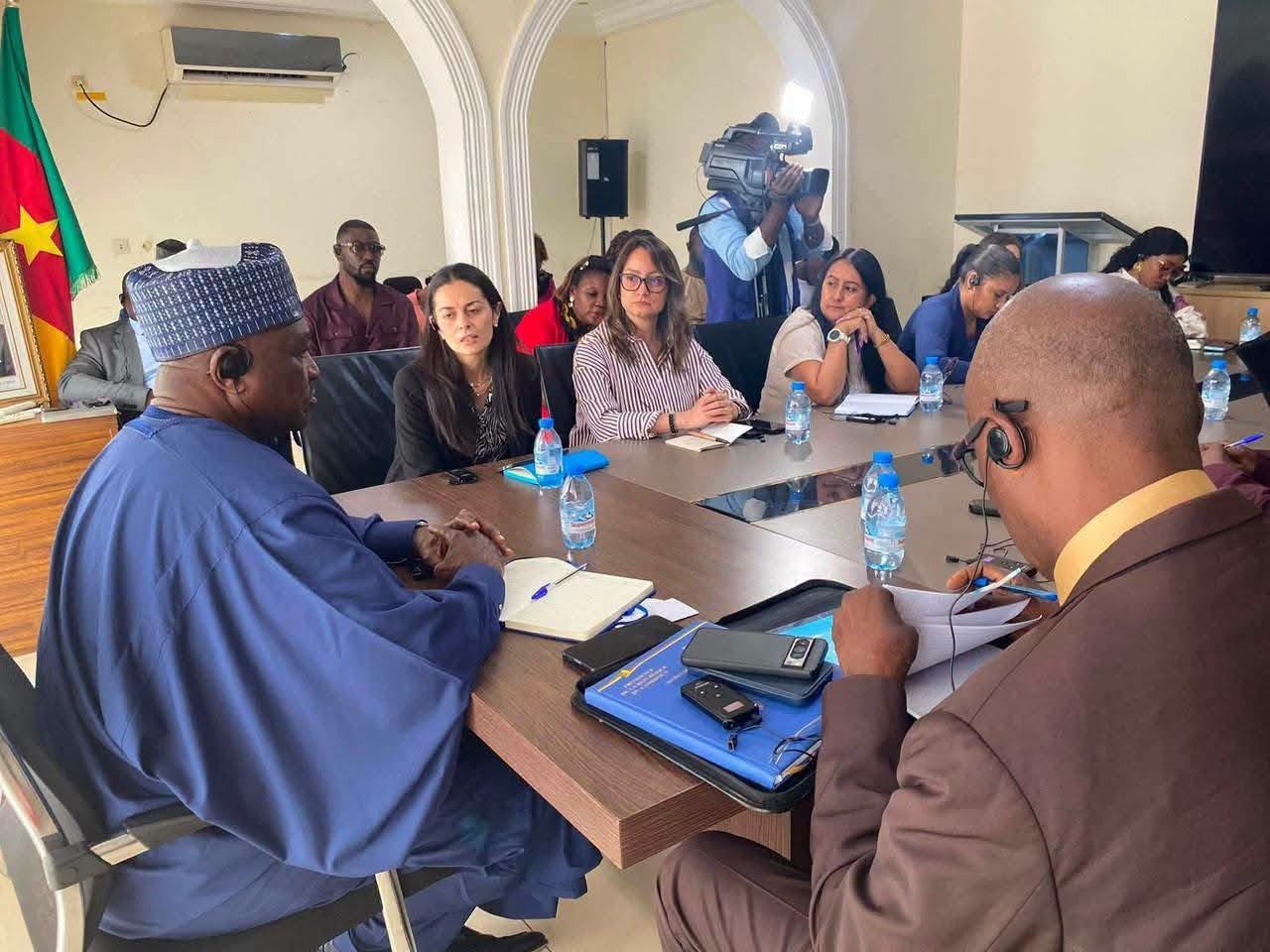
A Colombian delegation has been in the country since July 20 for a working mission with the National Disarmament, Demobilisation and Reintegration Committee (CNDDR), chaired by former Governor Francis Fai Yengo.
The exchanges focus on integrating gender into DDR programmes, with particular attention to psychosocial care, vocational training and economic empowerment for former female combatants and other women affected by conflict.
According to Fai Yengo, the objective is to identify practical approaches that can make reintegration more sustainable. Women and girls often face unique barriers after leaving armed groups, including stigma, limited access to skills training, economic dependence and rejection by their communities.
The Colombian delegation is also visiting the DDR centres in Mora, Bamenda and Buea to assess reception conditions, psychosocial support and livelihood programmes. The visits are expected to highlight the different challenges facing beneficiaries from the Boko Haram insurgency in the Far North and those exiting armed groups in the North West and South West Regions.
Since its creation in November 2018, the CNDDR says it has demobilised more than 3,520 former combatants. However, authorities have not released data showing how many have secured sustainable livelihoods, successfully returned to their communities or avoided rejoining armed groups.
They Colombia’s experience is regarded as one of the world’s leading DDR models. Following its 2016 peace agreement with the FARC, the country combined disarmament with long-term psychosocial support, vocational training, income-generating projects and community reconciliation. Cameroonian officials hope these lessons can be adapted to local realities, where lasting peace will depend not only on former fighters laying down their arms but also on their successful social and economic reintegration.
Jude Viban