
Elie has one wish – stable electricity. For the widow who runs a cold store in a busy Yaoundé neighbourhood, electricity is the difference between profit and loss.
When the power goes out, sometimes for days, her fish begins to spoil. She is forced to sell below cost or smoke the fish and absorb the extra expense. “I just want the electricity to stay on,” she says. “So I can serve my customers fresh fish.” Across town, Che, not his real name, faces a different version of the same problem. He owns a printing press whose machines depend on electricity to operate. Frequent outages have caused him to miss deadlines and lose money. Sometimes he refuses jobs because he cannot trust the power supply. Even when electricity is available, low voltage often prevents his equipment from running. “The power is there, but the machines cannot work,” he says. Neither Elie nor Che appears in any government restructuring document. Yet, their struggles sit at the heart of one.
The Ministry of Water and Energy’s 2026–2028 plan for Socadel, the state-owned utility created from the transformation of Eneo, lays out the depth of Cameroon’s electricity crisis. It also shows that the FCFA150 billion refinancing operation Socadel is seeking from local banks is only part of the solution. Socadel collects about FCFA31 billion in monthly revenue but spends around FCFA44 billion. That leaves a monthly deficit of CFA13 billion. The company inherited nearly FCFA850 billion in debt from the Eneo era. Short-term liabilities alone stand at FCFA177 billion. The proposed seven-year loan would refinance part of that debt, easing cash pressure and reducing monthly repayments.
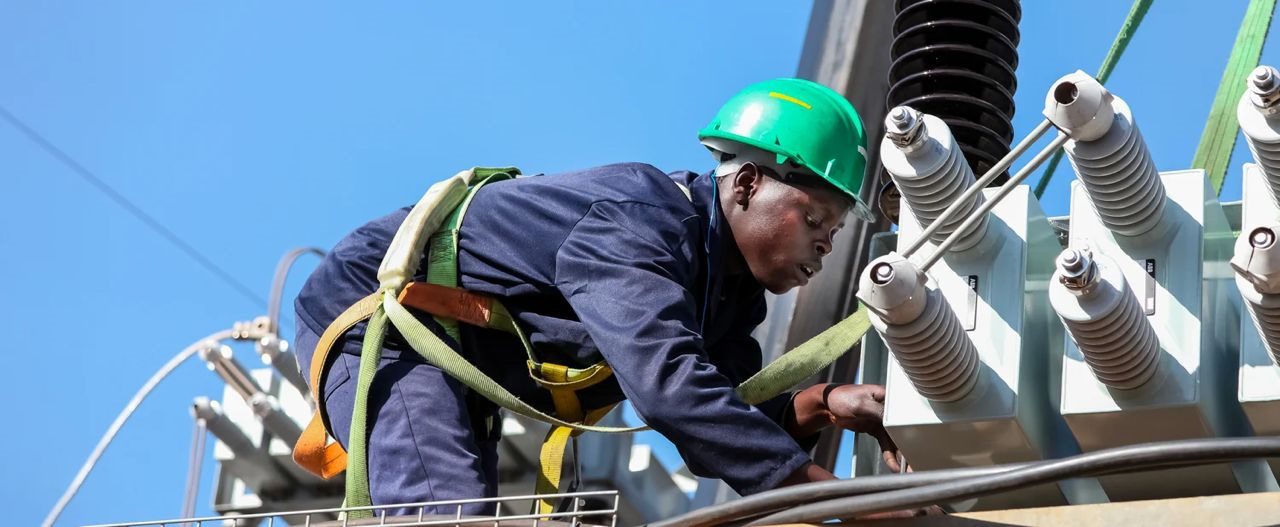
For a company losing FCFA13 billion every month, the relief is significant. But it does not fix the underlying problems. At the end of 2025, technical and commercial losses stood at 29%. Nearly one-third of the electricity produced never generates revenue. It is lost through aging infrastructure, faulty equipment, illegal connections and meter tampering. The restructuring plan proposes expanding prepaid metering and reducing fraud. Success will depend on how effectively those measures are implemented. As of November 2025, Socadel owed suppliers FCFA639.6 billion. Of that amount, FCFA320 billion was owed to public entities. At the same time, many public institutions fail to pay their electricity bills, contributing to an overall collection rate of just 77.5%.
The result is a vicious cycle: the state owns a utility that struggles to pay public suppliers because public institutions do not pay the utility.
The FCFA150 billion loan may buy Socadel time. But reducing losses, improving collections, upgrading infrastructure and stabilising supply are what will determine whether lights stay on.
Jude Viban