

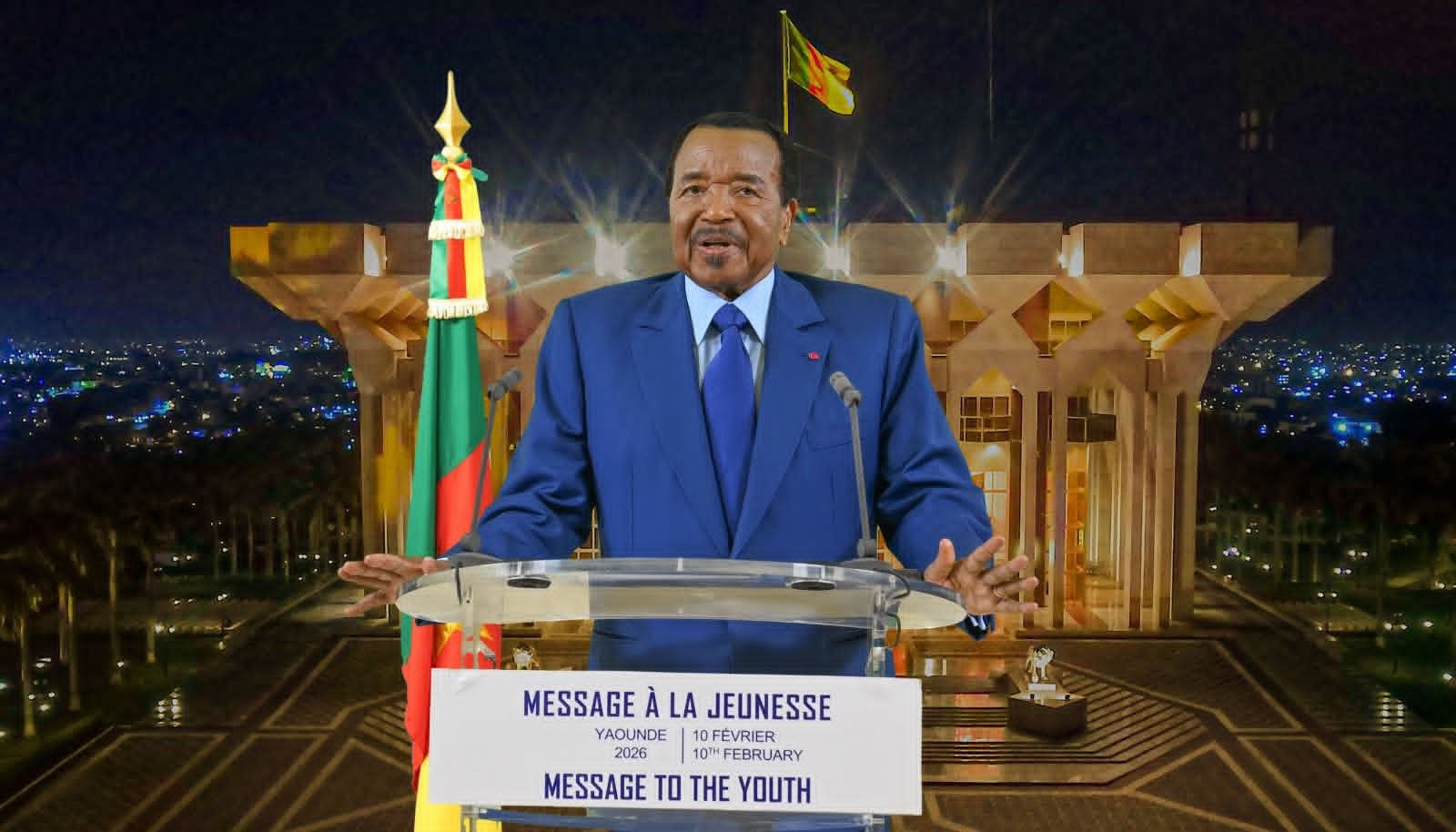
Cameroonian youth have celebrated the 60th anniversary of National Youth Day, a celebration that has evolved from a post-reunification symbol into one of the country’s most emblematic civic traditions.
Youth Day traces its origins to the historic plebiscite of February 11, 1961, when the people of Southern British Cameroons voted to join the newly independent Republic of Cameroon, laying the foundations of the modern Cameroonian state. The date was later dedicated to young people, and by 1966, the celebration was officially recognized as a national public holiday. Initially celebrated as a regional “Youth and Sport Day” in West Cameroon in 1962 before being adopted nationwide, the event was conceived as a tribute to youth as the driving force of a newly independent nation. Over the decades, Youth Day has been marked by parades, civic activities, sports events and cultural festivities across the national territory, reflecting its role in fostering national pride and civic responsibility. Today, with nearly 60 percent of the population under 25, the celebration remains deeply symbolic, embodying the aspirations and dynamism of a youthful nation.
Since assuming office in 1982, President Paul Biya has made the Youth Day eve address a mark of his political communication with the youth. In these speeches, he has consistently framed youth as the nation’s hope and called for perseverance, patriotism and entrepreneurship.
In this year’s address, he reaffirmed: “I intend to devote all my energies for the advent of a stable, united and prosperous Cameroon” echoing a recurring theme of unity and development. He also pledged continued efforts to improve education, employment and entrepreneurship opportunities, underscoring that youth integration into the labour market remains a priority of his current mandate.
Over the years, his speeches have been punctuated by commitments to education reform, youth employment programmes, entrepreneurship support funds, and civic responsibility. Some initiatives, such as the National Employment Fund, youth entrepreneurship financing schemes and public-sector recruitment drives, have been implemented at various stages, while others remain works in progress amid economic and demographic pressures.
Sixty years on, Youth Day remains more than a festive occasion; it is a political barometer and a social mirror of Cameroon’s evolving challenges. Politically, the celebration provides a platform for the President to outline policy priorities and signal major decisions, as seen in recent addresses announcing governance reforms, government formation and electoral calendar adjustments. Economically, the day highlights the urgency of addressing youth unemployment, entrepreneurship and skills development in a country where the demographic dividend could be either a transformative asset or a destabilizing challenge.
Born from the optimism of reunification and independence, Youth Day has grown into a national ritual that reflects both the achievements and the unfinished business of nation-building. In the words of President Biya, the future of Cameroon “lies in your hands,” a message that continues to resonate across generations.
Claudette Chin