
The Government has received presidential approval to raise FCFA 1,650 billion through domestic and external borrowing.
The decree, signed by President Paul Biya on 21 January 2026, empowers the Minister of Finance to mobilise funds to finance priority development projects and settle outstanding state obligations.
At the end of September 2025, Cameroon’s public debt stood at FCFA 14,591 billion, representing 43.9% of GDP, according to data from the Autonomous Sinking Fund (CAA). The debt has increased grad- ually over the past year but remains below the 70% of GDP ceiling rec- ommended by the Central African Economic and Monetary Community (CEMAC).
The borrowing under the new decree is structured into three components. FCFA 400 billion will be raised through the domestic financial mar- ket via Treasury Bonds or Fungible Treasury Bonds. FCFA 250 billion will come from direct loans with international private institutions, while the largest portion, FCFA 1,000 billion, will be sourced from external banking markets.
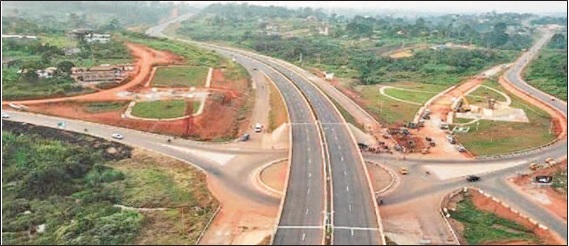
Government officials say the funds will support infrastructure projects, social development initiatives, and the settlement of Treasury arrears. As of September 2025, arrears totaled FCFA 171.3 billion, covering unpaid bills for goods and services, subsidies, personnel costs, and transfers. This new borrowing authority follows the ratification of two major loan agreements in late 2025. The first, val- ued at FCFA 99.85 billion, will fund the road component of the Integrated Development and Planning Programme for the Dja Mining Belt. The second, a financing package with MUFG Bank of London, supports the urban section of the Yaoundé– Nsimalen highway and totals over FCFA 154 billion.
While the borrowing initiative is expected to help close financing gaps and accelerate development, economists have urged caution. They note that borrowing to cover arrears or recurrent costs could increase fiscal vulnerabilities if economic growth does not keep pace or if funds are not efficiently deployed.
Cameroon’s fiscal position reflects broader economic pressures. Growth remains modest, and the 2026 budget deficit is projected to rise, driven by higher spending needs and public in- vestment commitments. Experts em- phasize that prudent debt management and strategic allocation of borrowed funds will be essential to maintain investor confidence and support sustainable development
Jude VIBAN